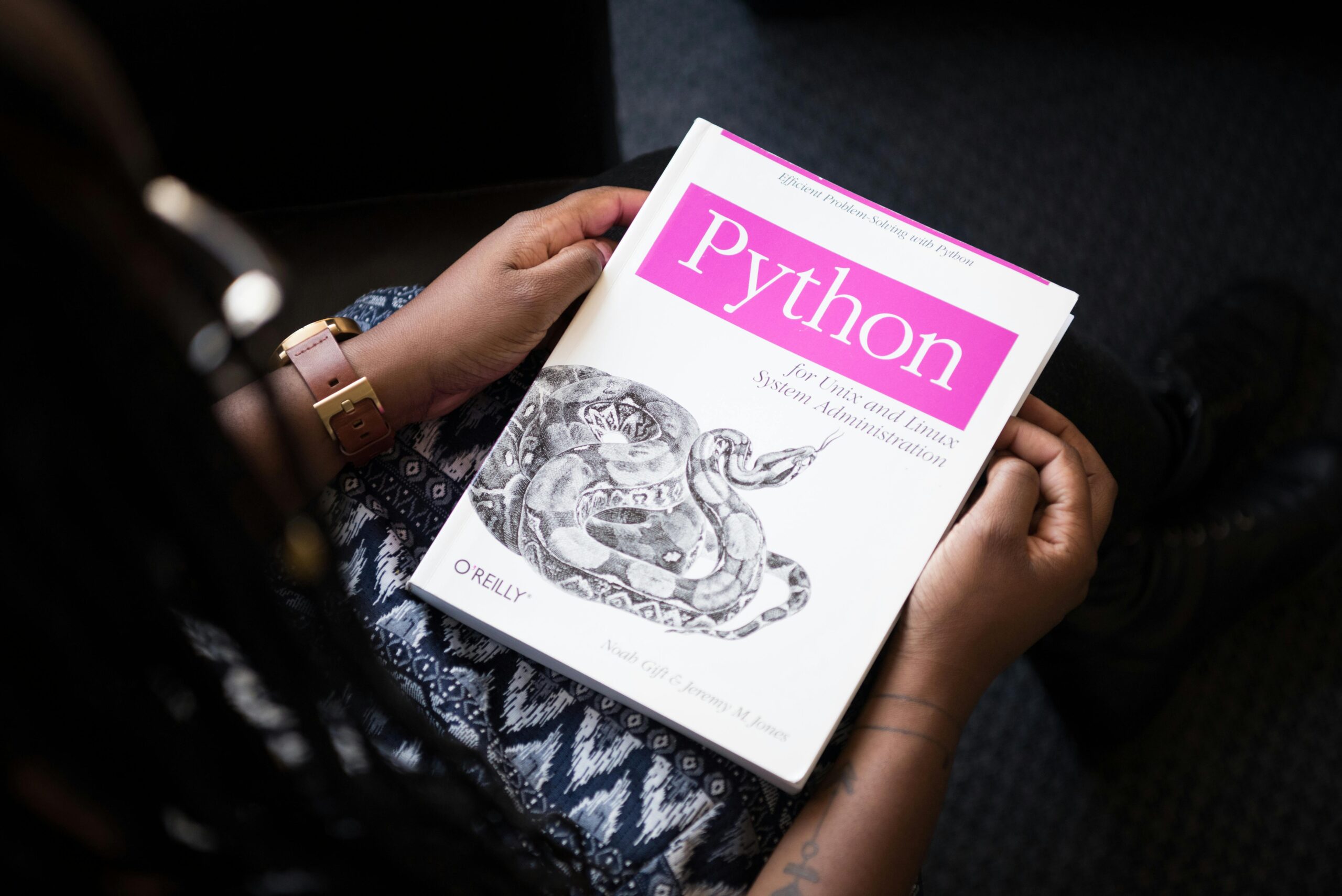
Python in 2025: Still the King of Programming?
Python has long been a fan favorite among developers, data scientists, and educators. Its simple syntax, vast ecosystem, and versatility made it one of the most-used programming languages in the world by the early 2020s. But as we step into 2025—an era dominated by AI, automation, and new paradigms in computing—how does Python hold up?
Let’s explore the state of Python in 2025: what’s new, where it’s thriving, and how it’s adapting to the future of tech.
🐍 Python’s Continued Relevance
Despite being over three decades old, Python remains one of the most widely used and versatile programming languages in 2025. According to industry surveys and GitHub activity, Python consistently ranks among the top 3 languages for web development, data science, machine learning, and even automation in enterprise systems.
Why does it continue to dominate?
- Ease of Learning: Python is still the #1 language taught in schools and universities.
- Community Support: An enormous, active global community contributes to libraries, tools, and education.
- Cross-Disciplinary Use: Python bridges fields—used by web developers, AI researchers, data analysts, and even hobbyists.
⚙️ What’s New in Python (2025 Edition)
Here are the most notable developments in the Python world as of 2025:
1. Python 3.12+ Improvements
The latest versions of Python bring improved performance, memory management, and faster startup times, making it more competitive for high-performance applications.
2. Native Support for Concurrency & Async Workflows
Python’s async capabilities have matured significantly, with better tools for building scalable, event-driven systems—crucial for web apps and microservices.
3. PyScript 2.0 and Python in the Browser
Thanks to advancements in WebAssembly and PyScript, you can now run Python in the browser with improved speed and UI integration, opening new doors for frontend development.
4. Tighter AI & ML Integration
Frameworks like PyTorch, TensorFlow, and LangChain continue to expand Python’s role as the primary language for AI model development, training, and deployment.
5. IDE & Tooling Evolution
IDEs like VS Code and PyCharm offer intelligent AI code assistants, better debugging tools, and tight integration with virtual environments and Docker.
🤖 Python’s Role in AI and Automation
Python is still the de facto language for artificial intelligence and machine learning, thanks to its powerful libraries:
- NumPy, pandas – For data manipulation and analysis.
- Scikit-learn, XGBoost – For classical ML.
- PyTorch, TensorFlow – For deep learning.
- LangChain, OpenAI SDKs – For integrating with large language models and AI agents.
It also powers automation scripts, DevOps pipelines, and API integrations, making it a core language for business process automation.
🌍 Python in Industry: Who’s Using It?
In 2025, Python is being used by:
- Startups building AI-first products
- Banks and fintech companies for data modeling
- Healthcare providers for medical AI diagnostics
- Researchers in climate science, genomics, and physics
- Game developers prototyping AI-powered game mechanics
🧠 Learning Python in 2025
Python’s beginner-friendly nature makes it the ideal first language for new coders. Online courses now integrate AI tutors, real-time feedback, and interactive coding environments to accelerate learning.
Platforms like JupyterLab, Google Colab, and Replit make it easier than ever to experiment and build Python projects right in the browser.
🔮 The Future of Python
Here’s what’s on the horizon:
- Greater support for compiled Python (via projects like PyPy and Mypyc) to improve speed.
- Wider adoption of Python in edge computing and IoT.
- Enhanced support for type hints and gradual static typing via mypy.
- Integration with quantum computing platforms and AI agents for task automation.
Conclusion
Python in 2025 is far from outdated—it’s evolving, adapting, and thriving. Whether you’re building the next AI breakthrough, automating your business, or just learning to code, Python remains a top choice. Its future looks strong, thanks to its simplicity, flexibility, and the passionate community behind it.